



by Cara Lee
In a fast-changing world, preparing children for success goes beyond ABC’s and 123’s.
It is about helping them grow into curious, confident, and adaptable thinkers—ready to navigate challenges, ask good questions, and make thoughtful decisions. That is where inquiry-based learning comes in. This is a core learning approach in Little Seeds Preschool.
At first glance, it may look like play or conversation. But beneath the surface, inquiry-based learning helps children build essential life skills that last far beyond preschool. Our children engage in inquiry every day in the planned and unplanned curriculum!
Rather than memorising facts, children are guided to:
- Ask questions
- Investigate and explore
- Make connections between what they know and what they are discovering
- Reflect on what they have learned

This approach develops what researchers from the Mind in the Making (MITM) Institute, call the 7 Essential Life Skills every child needs to thrive, skills that make your child future-ready.
- Focus and Self-Control
- Perspective Taking
- Communicating
- Making Connections
- Critical Thinking
- Taking on Challenges
- Self-Directed and Engaged Learning
“It is about helping them grow into curious, confident, and adaptable thinkers—ready to navigate challenges, ask good questions, and make thoughtful decisions.”
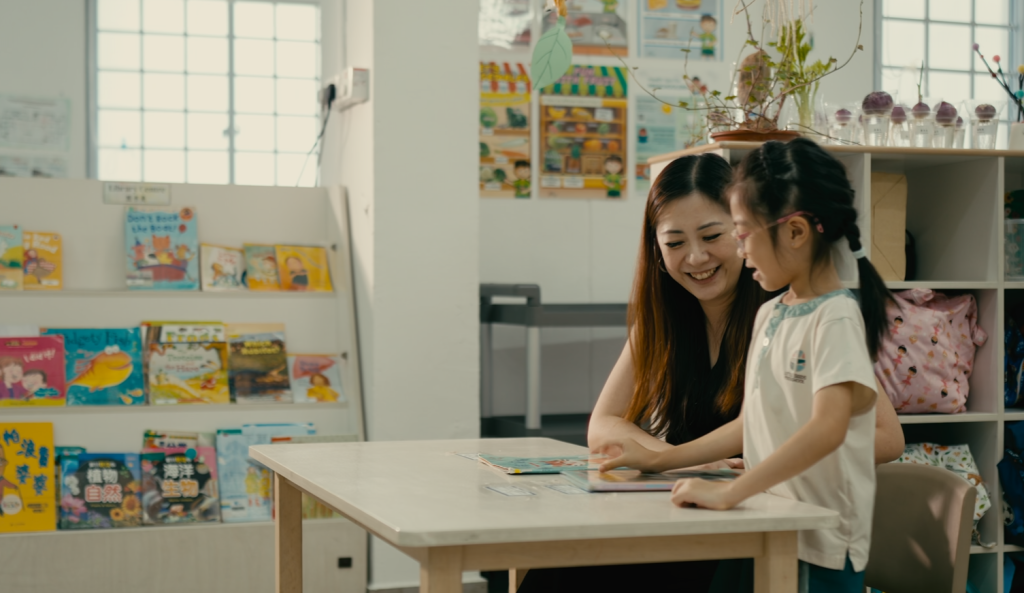
What Can Parents Do at Home?
Even with busy schedules, parents play a powerful role in encouraging these habits of mind. We don’t need fancy tools—just small moments of connection and curiosity.
Here are some easy, meaningful ways to activate inquiry at home:
1 . Ask thinking questions: Try open-ended prompts like:
- “What was interesting today?”
- “How do you think that works?”
- “What would you do differently next time?”
These encourage children to think, express, and explore possibilities.
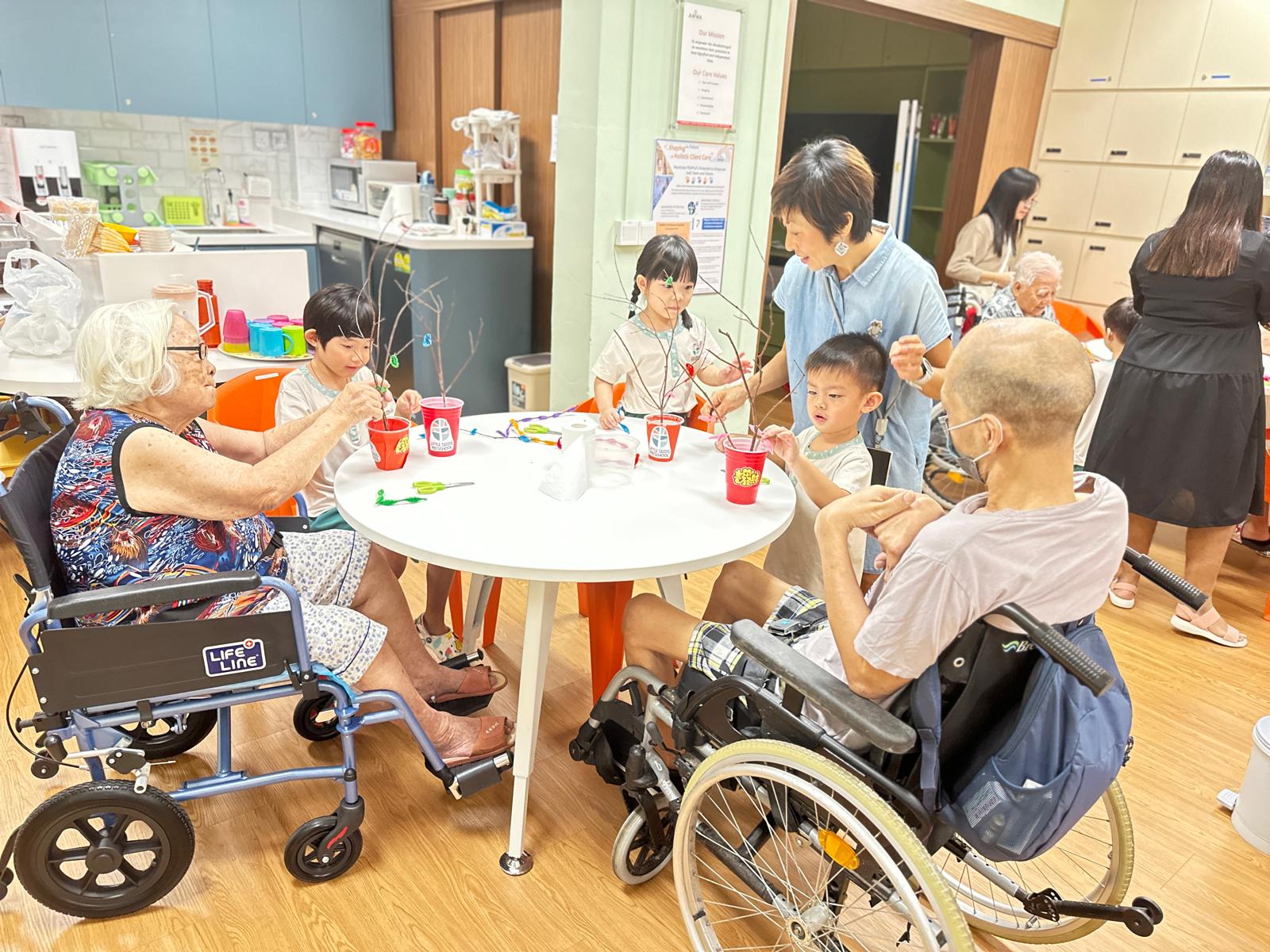
2 . Make daily life a discovery lab
- Let your child help sort groceries or set the table by size, colour, or type.
- Water a plant together and observe how it changes over time.
- Explore what melts faster—ice in a cup or on a plate?
These small activities grow focus, observation, and reasoning.
3 . Support imaginative play
- Let your child build, pretend, and create freely. E.g. A box becomes a rocket, a spoon a microphone—imagination fuels problem-solving and innovation.

4 . Model curiosity
Say things like –
- You don’t need to know the answer. Finding out is more important than just getting the answer!
- “I’m not sure—what do you think?”
- “Let’s find out together.”
5 . Praise effort, not just outcomes
Notice and affirm persistence, creative thinking, or teamwork. This builds resilience and self-belief.
- “You tried three ways before it worked—well done!”
- “Hmm, you’re not giving up, that’s great. I wonder if we could…?”
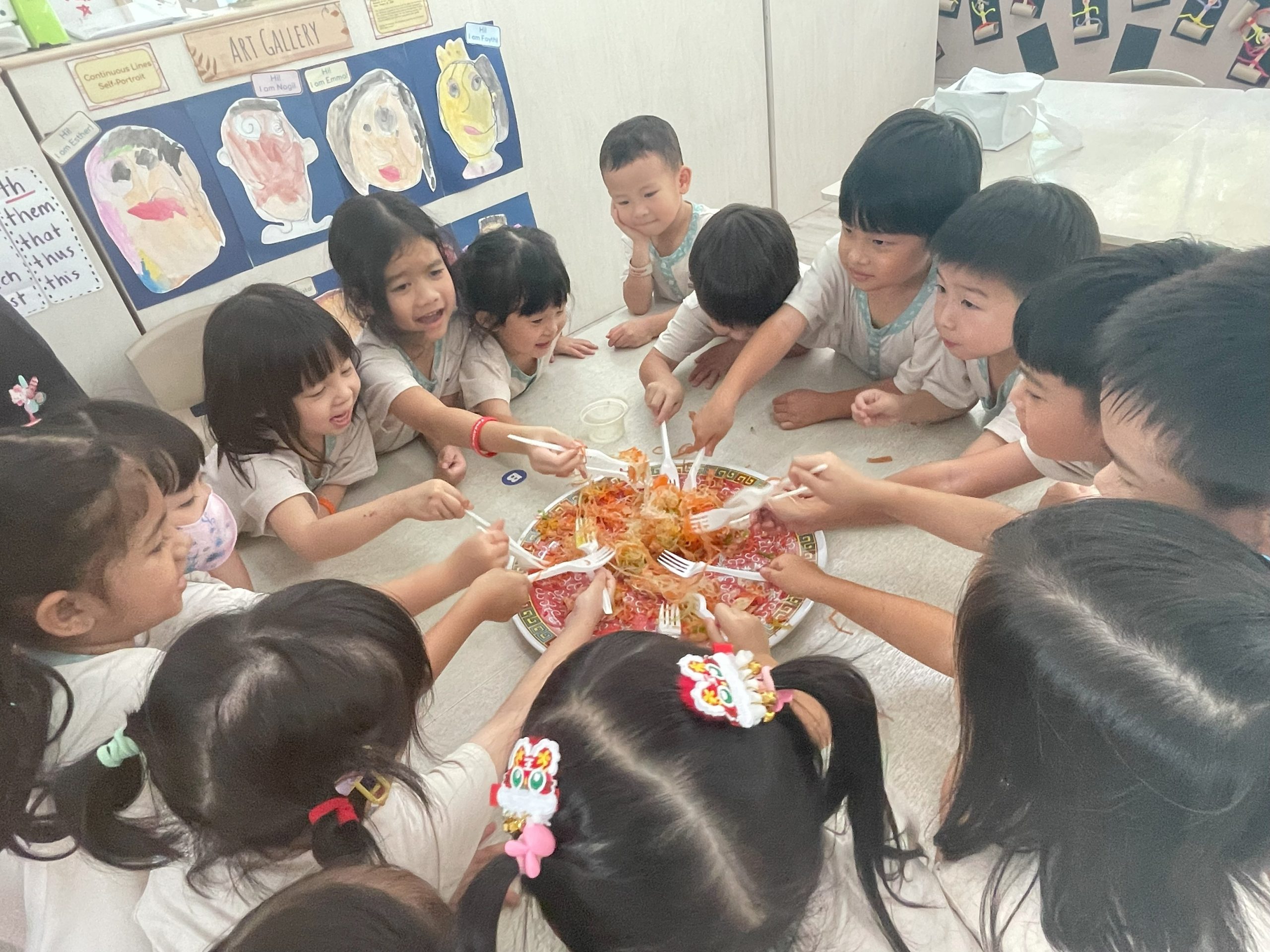
Inquiry-based learning does not replace strong academics—it strengthens them by giving children the thinking tools to make sense of the world. When home and school work together, that’s when real learning takes root.
So when a child asks “why,” “what if,” or “can I try this?”— let’s lean in. That might just be the moment they are growing into the future-ready person they were meant to be.
Cara Lee is the Director of Strategic Initiatives at Anglican Preschool Services